Wastewater on St Helena
We collect, pump and treat the island's wastewater: the least visible of our three services, and the one that causes the most damage when it fails.
WastewaterNormal
Pumping stations and treatment are operating normally.
Wastewater is the service nobody thinks about until something goes wrong. When it does, the consequences are immediate: public health risk, property damage and pollution of the coastal environment.
How the system works
Wastewater from properties flows by gravity into the sewer network wherever the terrain allows. Where it does not (and on an island this steep, that is often), pumping stations lift it to the next gravity section. It is then treated before discharge.
Pumping stations are the vulnerable points in the system. They depend on power, on mechanical plant that wears, and on the sewer upstream staying clear. A blocked or failed pumping station backs up quickly.
Inside the treatment plant
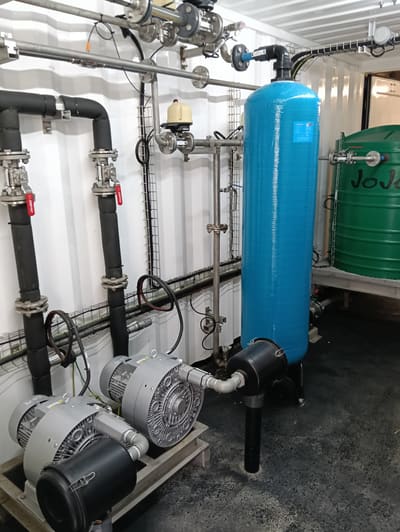
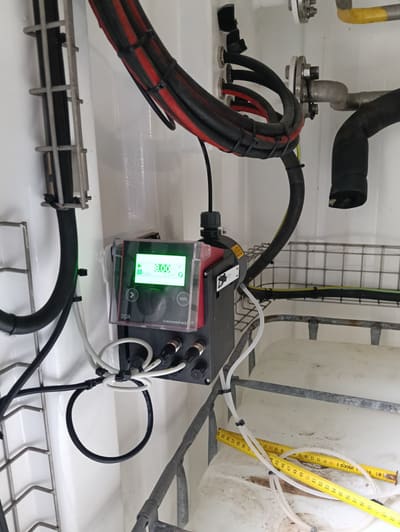
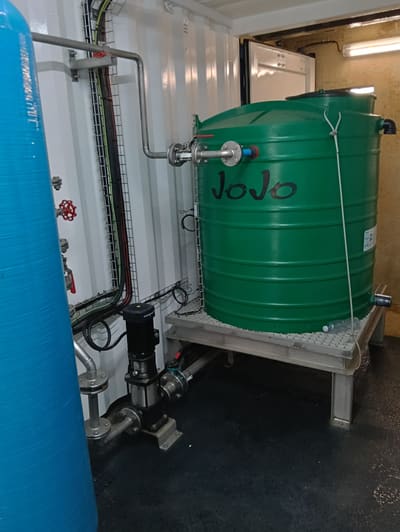
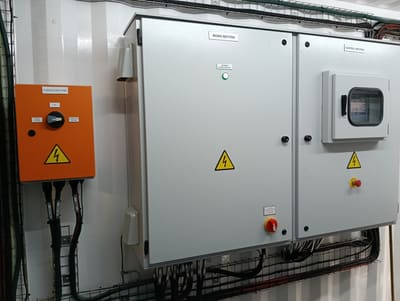
Wastewater is treated before it is discharged. Our plant at Rupert's is a compact, modular unit: flow is screened and settled, then passed through pressure vessels and filtration, while dosing and control equipment monitor the process. These are the working parts that keep what we return to the environment within standard.
What causes blockages
Almost every avoidable blockage we attend comes from the same short list:
- Wet wipes, including ones labelled flushable. They do not break down.
- Fats, oils and grease poured down the sink. These solidify and trap everything else.
- Sanitary products, cotton buds and nappies.
- Building debris washed into gullies during construction work.
Only the three Ps belong in the sewer: pee, paper and poo. Everything else goes in the bin. Fats and oils should be left to cool, then binned, never poured away.
Reporting an overflow
Report an overflowing manhole, a sewer smell or a blockage as soon as you notice it. An overflow is a public health matter, and the earlier we know the smaller the spill.
Do not walk through, or let children or animals near, water from a sewer overflow. If a property is flooding with sewage, call 22602 (out of hours) or 22255 (office hours) rather than waiting for a form to be read.
Where our responsibility ends
We are responsible for the public sewer network, pumping stations and treatment works. The drain that runs from your property to the public sewer is normally the property owner's responsibility. If you are unsure which side a blockage is on, call us. It is quicker than guessing, and we would rather check than leave a spill running.